

Smartphones have become an essential part of daily life, from communication and payments to entertainment and work. Yet, many people still follow outdated or incorrect beliefs about how phones work, how safe they are, and how to maintain them. These myths often spread through word of mouth or old advice that no longer applies to modern devices.
Technology experts and manufacturers consistently clarify these misunderstandings, but they continue to circulate online. Here is a closer look at some of the most common smartphone myths and the facts that debunk them.
Overnight charging does not ruin your battery
One of the most widespread beliefs is that charging your phone overnight damages the battery. In reality, modern smartphones use advanced battery management systems. Once the battery reaches 100%, the phone automatically stops drawing power.
According to Android Authority and other technology analysts, occasional overnight charging does not cause immediate harm. However, keeping a battery at full charge for extended periods every day may slightly reduce long-term battery health. Manufacturers generally recommend keeping battery levels between 20 and 80% for optimal longevity, but overnight charging itself is considered safe.

Fully draining the battery is no longer necessary
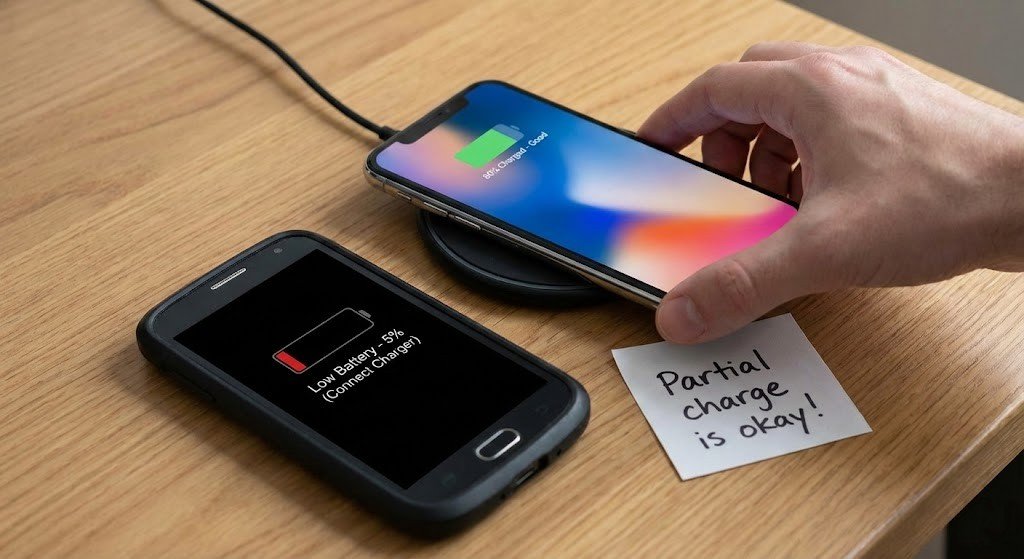
Many users still believe they should let their phone battery drain completely before recharging. This advice dates back to older nickel-based batteries that suffered from a “memory effect.”
Modern smartphones use lithium-ion batteries, which perform better when recharged regularly. MakeUseOf explains that frequent deep discharges can actually shorten battery lifespan rather than improve it. Plugging in your phone when it drops to around 20–30% is healthier for long-term performance.
Closing background apps rarely improves performance
Another common habit is force-closing all background apps to save battery or make the phone faster. On both Android and iOS, the operating system already manages background activity efficiently.
Tech reviewers note that reopening apps repeatedly may use more power than letting them stay suspended in memory. Unless an app is malfunctioning, manually closing apps usually provides little benefit.

Smartphones do not cause gas station explosions
A long-standing rumor claims that mobile phones can trigger explosions at gas stations. Popular research reports that there is no documented evidence linking phones to fuel ignition.
Gas stations advise limiting phone use mainly to reduce distraction, not because of explosion risks. Static electricity and open flames remain the primary hazards during refueling.

Phones are not secretly listening to conversations for ads
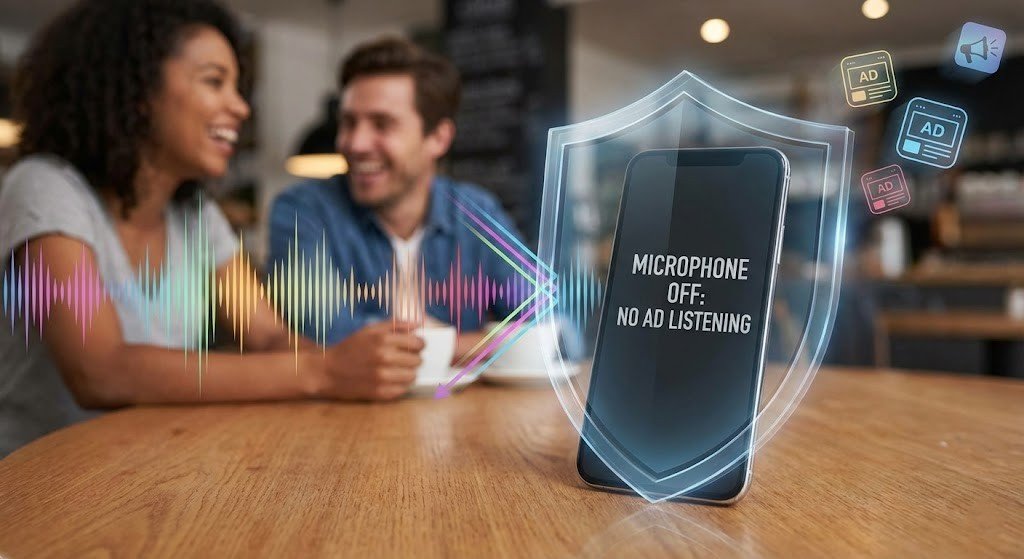
Some users believe smartphones constantly listen to conversations and use them to display targeted ads. While devices activate microphones for voice commands like “Hey Google” or “Siri,” investigations have found no proof that phones continuously record private conversations and transmit them to advertisers.
Advertising platforms typically rely on browsing history, app activity, location data, and online behavior rather than audio surveillance, according to technology researchers.
Smartphone radiation has not been proven to cause cancer
Concerns about radiation exposure from phones continue to surface. Regulatory agencies worldwide set strict limits on radiofrequency emissions to ensure safety.
Studies reviewed by health and telecommunications authorities have not established a direct link between normal smartphone use and cancer. Phones emit non-ionizing radiation, which does not damage DNA in the same way as X-rays or gamma rays.
5G networks are considered safe by scientific standards
Misinformation surrounding 5G technology has raised public concern in recent years. Health organizations explain that 5G signals operate within approved safety limits and use non-ionizing radio waves.
There is currently no credible scientific evidence linking 5G exposure to harmful health effects when used under regulated conditions.

- RELATED: NVIDIA DLSS 4.5 announced at CES 2026 with 6X frame generation and enhanced AI Super Resolution
Rice is not the best way to dry a wet phone
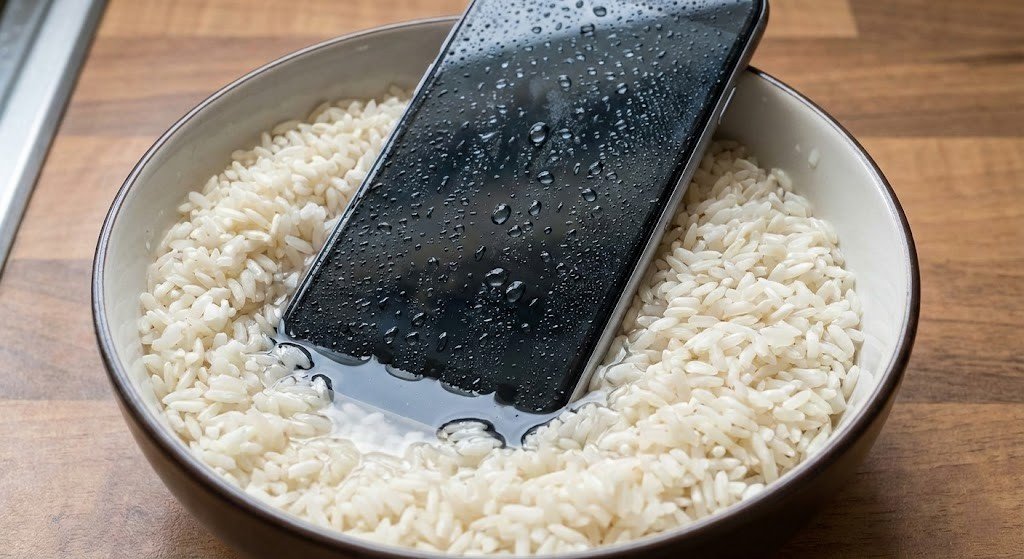
Placing a wet phone in a bowl of rice is a popular internet tip, but experts say it offers limited benefit. Rice absorbs some moisture, but it does not effectively remove water trapped inside internal components.
Electronics specialists recommend turning the device off immediately, removing external accessories, gently drying visible moisture, and allowing the phone to air-dry in a ventilated space. Professional repair may be necessary if water damage persists.
Fast charging does not automatically damage batteries
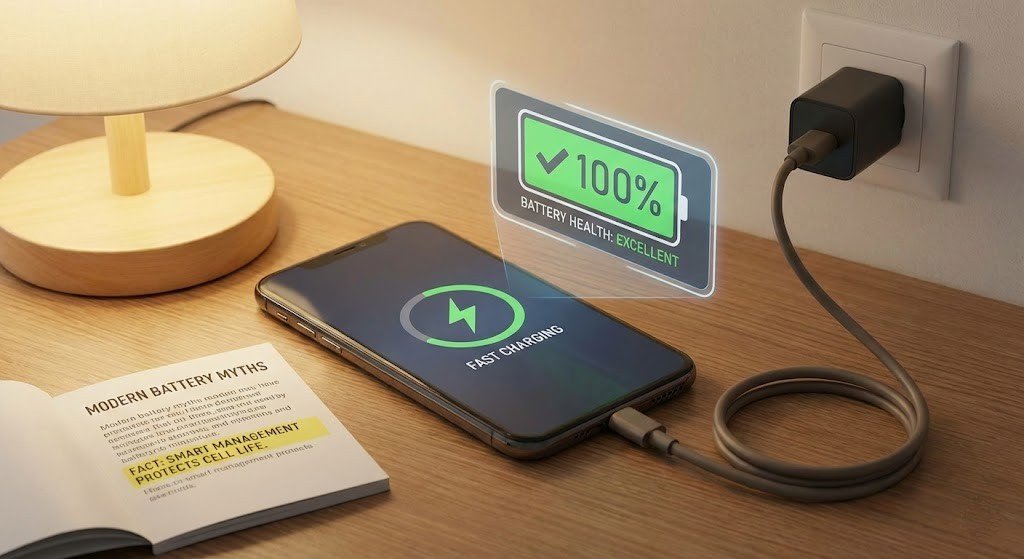
Fast charging often raises concerns about battery wear. Manufacturers design fast-charging systems with temperature controls and power regulation to protect battery health.
While excessive heat can contribute to long-term battery degradation, using certified chargers and following manufacturer guidelines keeps charging safe for everyday use.

Verdict
Smartphone technology has evolved rapidly, but many myths remain rooted in outdated information. From battery care and charging habits to health and safety concerns, reliable sources consistently clarify what is true and what is not.
Understanding how modern smartphones actually work helps users make smarter decisions, protect their devices, and avoid unnecessary worry. For accurate information, consumers should rely on trusted technology publications, manufacturer documentation, and established scientific research rather than viral claims or outdated advice.